Signed in as:
filler@godaddy.com
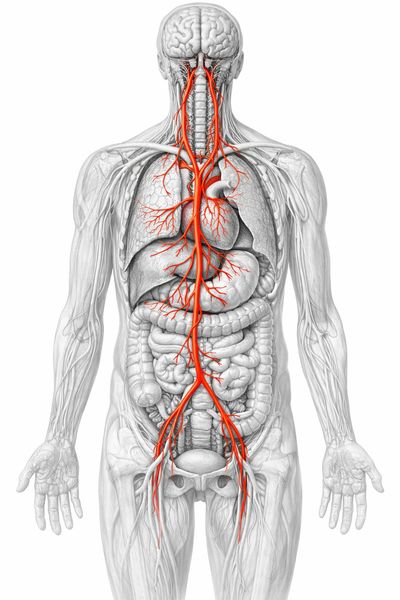
“Celebrity Nerve” the most spoken about on social media, the vagus nerve has earned celebrity title.
Why Do I Feel Constantly Anxious? A Sydney Counsellor Explains the Vagus Nerve and Nervous System Regulation
If you have found yourself searching “why do I feel anxious all the time?” or “how to calm my nervous system,” you are not alone. As a Sydney counsellor working with professionals, parents, and university students, I frequently meet individuals who feel constantly on edge, physically tense, and unable to relax. Many are managing work, family, and daily responsibilities well on the outside, yet internally they feel overwhelmed and exhausted.
Anxiety is not just in the mind. It is in the nervous system.
At the centre of this experience is something called the vagus nerve, often referred to as the body’s calming system. The vagus nerve helps regulate heart rate, breathing, digestion, and emotional responses. When it is functioning well, the body feels safe, settled, and able to think clearly. When it is not, the body remains in a constant state of alertness. When the nervous system is dysregulated, the body begins to react as though there is ongoing danger. The heart may race, breathing becomes shallow, muscles tighten, and the mind begins to overthink. Over time, this can lead to chronic anxiety, burnout, irritability, or emotional shutdown. Modern life in Sydney often contributes to this pattern. Long work hours, financial pressure, parenting demands, and constant digital stimulation keep the nervous system activated. Many individuals move from one task to the next without pause. The body never receives the signal that it is safe to slow down.
One of the most common patterns I see in counselling is individuals ignoring early body signals. Clients describe tight shoulders, jaw tension, headaches, or digestive discomfort, yet continue to push through their day. Over time, the body becomes stuck in stress mode. For example, a client once described feeling anxious throughout the day without knowing why. He noticed his chest felt tight and his breathing was shallow, especially during work meetings. Even small interactions felt overwhelming. When we explored further, he shared that he constantly felt pressure to perform and feared making mistakes. His body was responding to this internal pressure, even when there was no immediate threat. Another example involves a parent who reported feeling constantly overstimulated. Between work, children, and household responsibilities, there was no time to rest. She described her body as “always switched on.” Even at night, she struggled to relax. Her nervous system had lost the ability to return to a calm state. These experiences are not uncommon. They reflect a nervous system that has been activated for too long without recovery.
So how do we support the vagus nerve and calm the body?
The first step is awareness. Anxiety often begins in the body before it becomes a thought. Noticing early signs such as tightness in the chest, shallow breathing, or restlessness allows for earlier intervention. The second step is regulation. A simple technique I teach in anxiety counselling sessions in Sydney is slow breathing. Inhale for four seconds and exhale for six seconds. This longer exhale activates the vagus nerve and signals safety to the body. Even one minute of this can begin to reduce physical tension.
Another effective strategy is what I refer to as a “micro reset.” Throughout the day, pause briefly and check in with your body. Drop your shoulders, unclench your jaw, and take one slow breath. These small resets help retrain the nervous system over time. Connection is also important. The vagus nerve responds strongly to safe social interaction. Talking to someone you trust, even for a few minutes, can help regulate your body more effectively than trying to manage stress alone.
Boundaries play a key role as well. Many individuals experiencing anxiety are overcommitted and constantly saying yes to others. Learning to pause before agreeing, or saying “I need to think about that,” helps reduce ongoing nervous system overload.
Lifestyle factors such as sleep, movement, and reduced caffeine intake also support nervous system regulation. However, when symptoms persist, professional counselling can provide structured support.
In counselling, we work not only with thoughts, but with the body. Clients learn to recognise nervous system patterns, understand what triggers stress responses, and develop practical tools to regulate themselves. Over time, they report feeling calmer, more in control, and less reactive. If you are searching for anxiety counselling in Sydney or online counselling across Australia, support is available. Feeling constantly anxious is not something you have to live with. When the vagus nerve is supported, the body begins to feel safe again. And when the body feels safe, the mind can finally slow down.
Feeling constantly anxious is not a personal weakness. It is often a sign that your nervous system has been under pressure for too long. Counselling helps you move from constant stress into a state of balance and stability. Nil Nair is a Senior Lecturer and ACA Registered Clinical Counsellor based in Sydney. He provides in-person and online counselling across Australia, supporting individuals experiencing anxiety, trauma, and burnout.